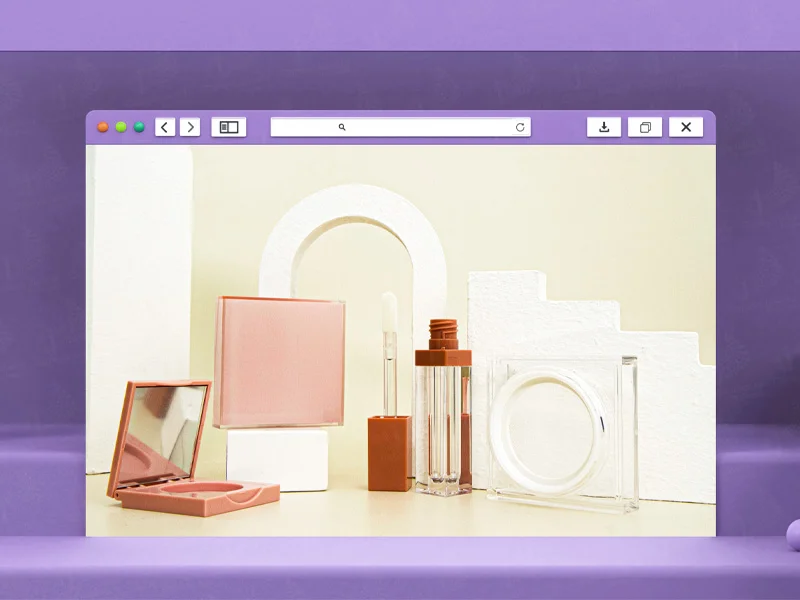
When consumers first encounter a product, packaging design becomes one of the first things they notice. Before they experience the product itself, they may already form an impression based on how the packaging looks, feels, and functions.
This makes packaging more than just a container that protects a product. The shape, material, color, label, and overall presentation can influence how consumers perceive a product and the brand behind it.
For brands, this means packaging design needs to do more than look attractive. It needs to communicate the product value and brand identity while supporting functionality and usability.
Why Does Packaging Design Matter to Product Perception?
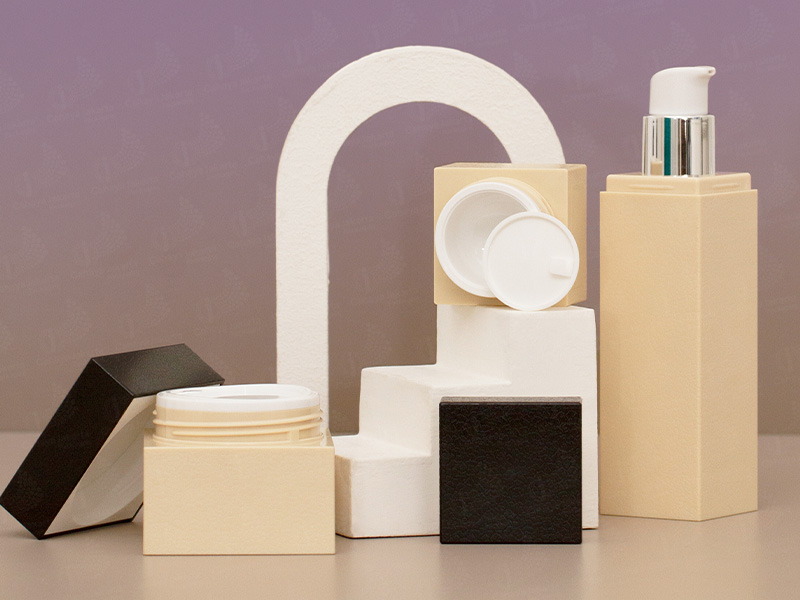
Packaging acts as one of the first touchpoints between a product and its potential consumers. In just a few seconds, consumers may use visual and physical cues from the packaging to form expectations about the product inside.
For example, a minimalist packaging design may create a sense of simplicity and sophistication, while bold colors and distinctive shapes may communicate a more energetic and expressive product identity.
However, perception is not shaped by visual design alone. How the packaging feels in the hand, how easily the product can be dispensed, and how clearly the information is presented can also contribute to the overall product perception.
5 Packaging Elements That Can Influence Product Perception
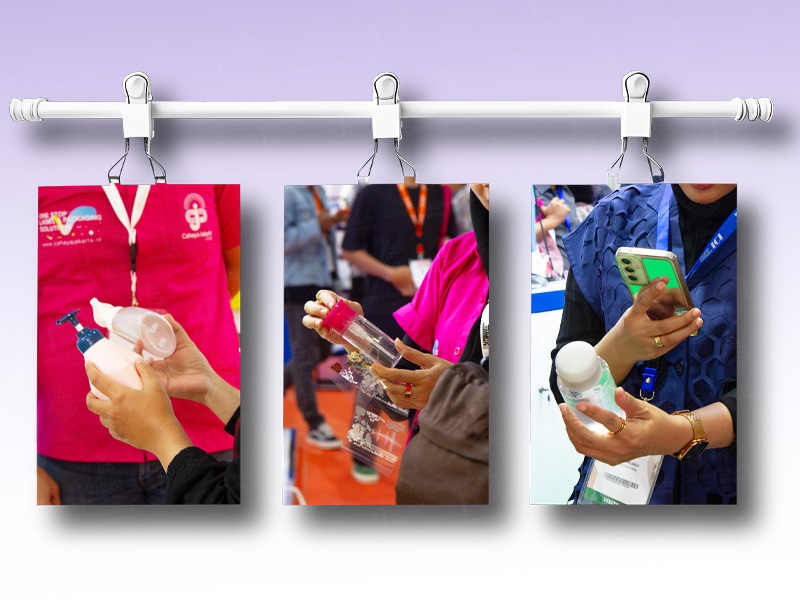
Different elements of packaging can contribute to how consumers perceive a product. While each brand may have different objectives, several aspects are particularly important to consider.
1. Packaging Shape and Structure
The shape of packaging can immediately influence how a product stands out and how consumers interpret its positioning.
A distinctive bottle, ergonomic tube, or compact jar can create a different impression compared with a standard packaging structure. The shape can also communicate characteristics such as practicality, premium quality, simplicity, or modernity.
Beyond appearance, packaging structure should also be appropriate for the product and its intended use. A well-designed structure can make the product easier to hold, open, dispense, and use as part of the consumer’s daily routine.
2. Material and Finish
Packaging materials contribute to both the visual and physical experience of a product, and each option creates a different impression. For example, transparent packaging allows consumers to see the product inside, while opaque materials create a more solid and protective appearance.
Surface finishes can also add another layer to the consumer experience. Matte, glossy, textured, or other finishes can influence how packaging looks and feels when consumers interact with it.
Choosing the right material and finish involves more than just visual preference. Brands also need to consider product compatibility, functionality, durability, and product requirements.
3. Color and Visual Design
Color is one of the most noticeable elements of packaging design. It can attract attention, communicate product characteristics, and create consistency across a brand’s product range.
Typography, imagery, and graphic elements also contribute to how quickly consumers can understand a product and recognize its brand.
However, visual appeal should still be balanced with clarity. Packaging needs to communicate key information in a way that remains easy to understand while maintaining a strong visual identity.
4. Label and Product Information
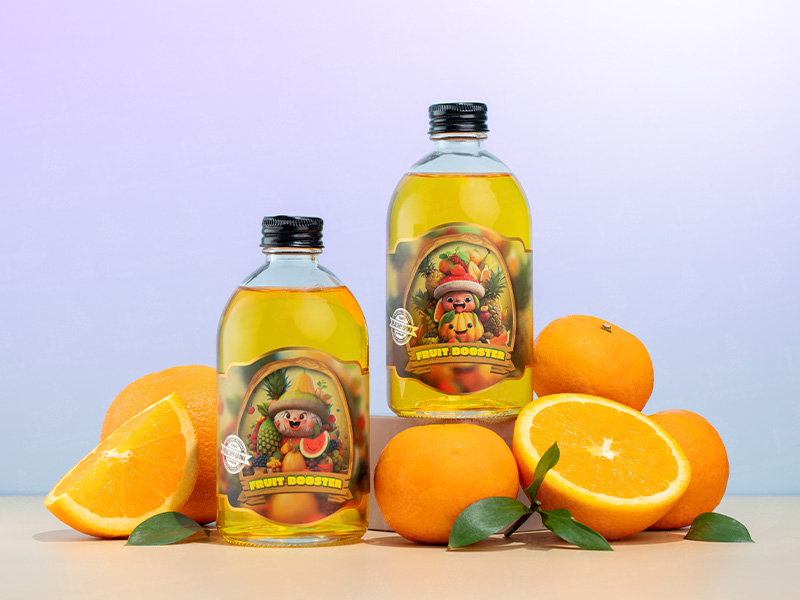
A label plays an important role in communicating both brand identity and product information.
The placement, size, typography, and overall design of a label can affect how consumers navigate the information on the packaging. A well-designed label can create a clear product appearance while making important product details easier to understand. For brands that need to fit more content into limited space, solutions such as booklet labels can help balance information and presentation.
The way a label is applied can also affect the final appearance of the packaging. Proper alignment and consistent application are especially important when brands produce products at scale or across multiple product variations.
This is where the packaging and labelling process needs to work together to achieve a consistent final result.
5. Functionality and User Experience
Packaging perception is also influenced by how the product performs during everyday use.
Features such as controlled dispensing, easy opening, secure closures, ergonomic shapes, and convenient handling can make packaging feel more practical and user-friendly.
When packaging functions as expected, it contributes to a more positive customer experience, particularly for products that consumers use frequently, such as skincare, cosmetics, personal care, household, and food products.
Ultimately, attractive packaging may capture attention, but functionality reinforces the experience after the initial impression.
Balancing Packaging Design with Production Requirements
While these elements can shape how consumers perceive a product, creating effective custom packaging involves more than choosing the right design elements. The packaging also needs to work consistently in the real production process.
A packaging concept may look effective visually, but challenges can arise when it moves into production. These may include inconsistent packaging quality, difficulties with label application, inefficient manual processes, or challenges in maintaining consistency across different product variations.
This is why packaging design should be considered together with production requirements from the beginning.
Brands may need to evaluate factors such as:
- Product characteristics and formulation
- Packaging material and structure
- Dispensing requirements
- Label application method
- Production volume
- Machinery requirements
- Packaging consistency across product variations
Considering these factors early can help brands create packaging that is not only visually aligned with their identity but also practical to produce and use.
Creating Packaging That Works for Your Brand
A strong packaging design should reflect how you want your product to be perceived while also supporting how it is produced, used, and presented in the market.
At CJ Pack, we understand that packaging requirements can vary depending on your product, production process, and brand objectives. That’s why we provide integrated solutions covering packaging, machinery, and labelling, helping brands manage their packaging needs from initial design through to production.
Whether you are developing a new product or looking to elevate an existing one, the right combination of packaging, machinery, and labelling solutions can help you achieve greater efficiency, consistency, and long-term business growth.
Looking for the right packaging solution for your brand? Let’s discuss how CJ Pack can support your next project through:
WhatsApp: https://wa.me/62811949769
Email: [email protected]