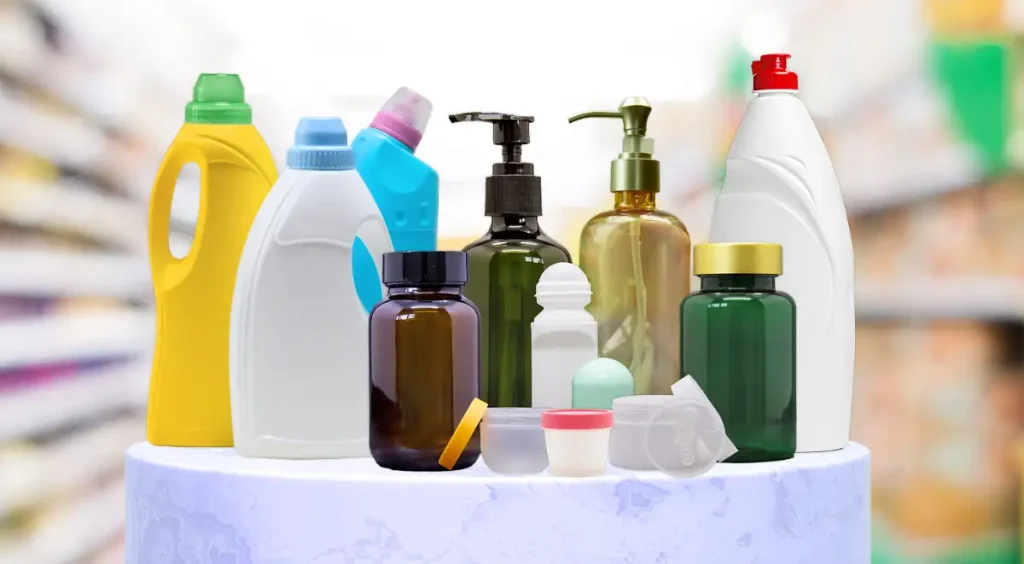
The use of plastic materials in packaging continues to play a critical role across various industries, especially in beauty, personal care, food, beverage, and household products. However, not all plastic materials are created equal for every type of packaging.
Each type of plastic material offers distinct characteristics that support overall performance, and selecting the right one goes beyond material choice. It is a strategic decision that directly impacts product quality, user experience, and brand perception.
In real production environments, we often encounter common challenges caused by mismatched material selection or a lack of consideration for how the packaging interacts with various factors. For example:
- Leakage during distribution
- Packaging deformation under heat
- Product instability due to material incompatibility
- Cracking or stretch marks after repeated use
- Premium products look “cheap” due to the wrong material choice
These challenges highlight how critical material selection is in packaging. Without a proper understanding of plastic materials, even well-designed packaging may not deliver optimal performance.
Why Understanding Plastic Materials in Packaging Matters
The choice of plastic materials influences more than just the physical appearance of packaging. It affects how the product is protected, how it is dispensed, and how it performs throughout its lifecycle.
Each plastic material behaves differently depending on factors such as product formulation, environmental conditions, and usage patterns. For example, a material that performs well with water-based formulations may not be suitable for oil-based or alcohol-based products.
That’s why choosing the wrong type of plastic material can lead to challenges across multiple stages, from production and filling processes to long-term product performance. In many cases, these issues are not immediately visible, but they can result in inefficiencies, product inconsistencies, and it can cost more than you think.
This is especially true for beauty and personal care packaging, food and beverage packaging, and household product packaging, where material performance directly affects product safety and shelf life.
Common Types of Plastic Materials in Packaging
To gain deeper insight into how material selection impacts packaging performance, here are the most commonly used plastic materials and how they compare. You can also browse our packaging sourcing options to explore available packaging formats for your product:
PET (Polyethylene Terephthalate)
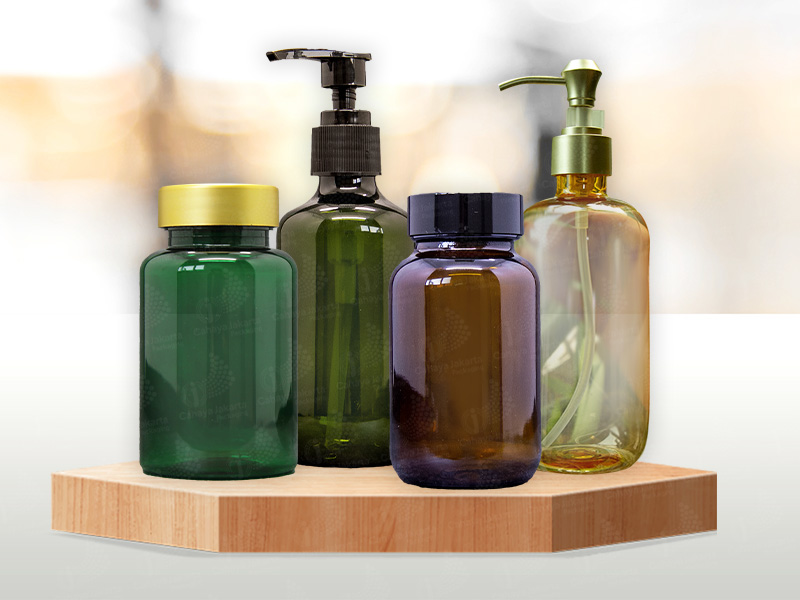
PET is one of the most widely used plastic materials in packaging. As one of the most common clear plastic packaging materials, PET is widely used in cosmetic packaging, skincare packaging, and beverage packaging. It is known for its strength, lightweight structure, and strong visual appeal.
If you’re looking for a balance between visual appeal and practical performance, PET is a suitable choice. It is particularly well-suited for water-based products that require clear, premium-looking packaging, such as toner, face mist, and even beverages.
However, if your product contains high levels of alcohol, highly active ingredients, or requires a hot-fill process, we recommend considering alternative materials because PET may not deliver optimal performance for these applications.
PP (Polypropylene)
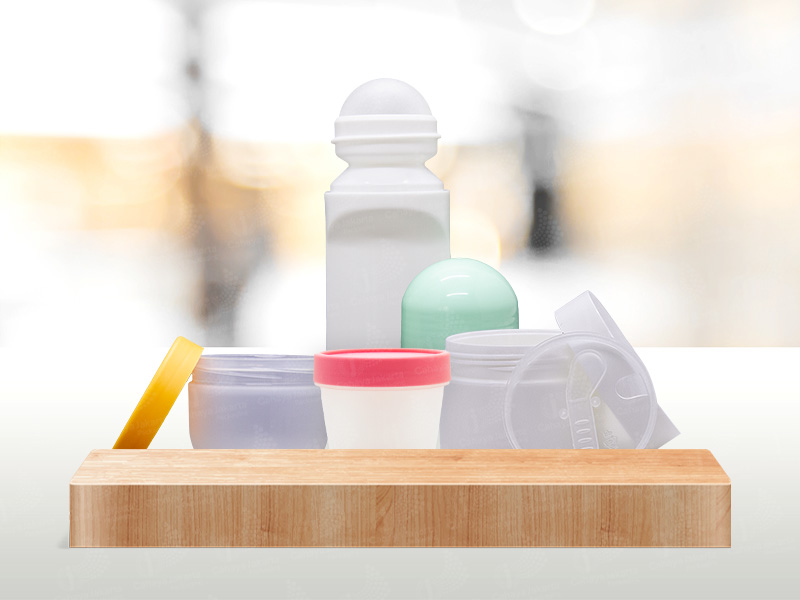
PP is a versatile plastic material known for its flexibility, heat resistance, and durability under repeated use.
If you’re looking for packaging that can handle higher temperatures and maintain stability across various formulations, PP is a reliable choice. It is suitable for products with thicker textures, heat-resistant applications, and packaging that is designed for frequent daily use like lotion, face cream, gels, or similar formulations.
PP is a popular choice for lotion bottles, cream jars, and other personal care packaging that requires durability under daily use. Browse our jar catalogue to explore available jar options for your personal care product. That said, if your product requires a more refined or premium visual appearance, PP may not be the most suitable material choice.
HDPE (High-Density Polyethylene)
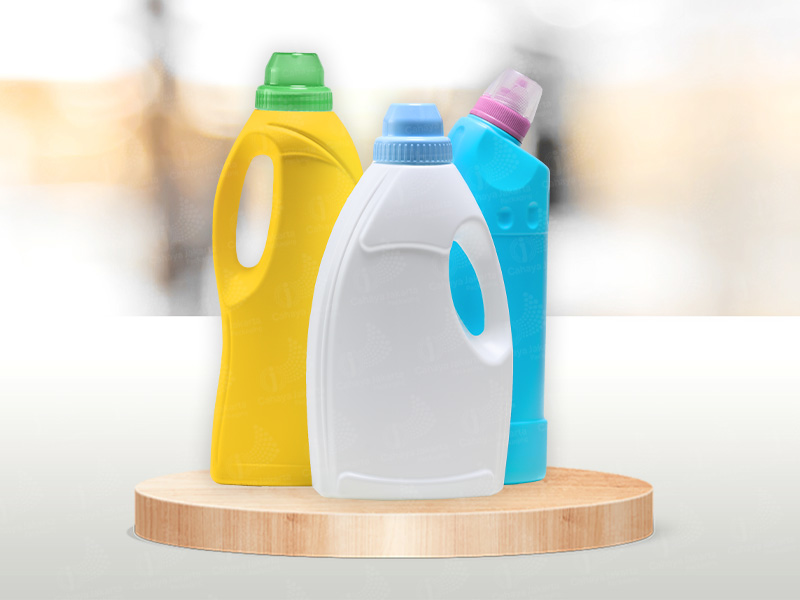
HDPE is a type of plastic material known for its high-density structure, excellent durability, and resistance to various chemicals.
If your product needs maximum durability, protection, contains strong chemicals or active ingredients like liquid detergent, disinfectant, and other similar products, HDPE is an ideal choice. This material does not easily absorb liquids or external moisture, which helps maintain product stability throughout distribution and storage, supporting a longer shelf life. HDPE is commonly used in household product packaging, chemical and industrial packaging, pharmaceutical packaging, or personal care packaging, where chemical resistance and long-term durability are the top priorities.
However, if you’re looking for a more premium, aesthetically refined appearance or want to highlight the product inside, HDPE may not be the best fit, as it is naturally opaque and offers limited transparency.
To simplify the comparison, here’s how they differ in actual use. Comparing PET packaging, PP packaging, and HDPE packaging early in your product development process helps you avoid costly mistakes in production and distribution.
| Criteria | PET | PP | HDPE |
|---|---|---|---|
| Visual Appearance | ⭐⭐⭐⭐ | ⭐⭐ | ⭐⭐ |
| Chemical Resistance | ⭐⭐ | ⭐⭐⭐⭐ | ⭐⭐⭐⭐⭐ |
| Heat Resistance | ⭐⭐ | ⭐⭐⭐⭐ | ⭐⭐ |
| Flexibility | ⭐⭐ | ⭐⭐⭐⭐ | ⭐⭐⭐ |
| Durability | ⭐⭐⭐ | ⭐⭐⭐⭐ | ⭐⭐⭐⭐⭐ |
| Best Use | Visual Appeal & Product Visibility | Functional Performance & Daily Use | Durability & Product Protection |
Selecting the right plastic packaging involves more than identifying the material. It requires a clear understanding of how the packaging will interact with both the product and the end user. In many cases, the most effective packaging solution is not defined by a single material, but by how the container, closure, and decoration work together as a complete system.
If you are currently evaluating which plastic material is the most suitable for your product, it may be helpful to explore how each option aligns with your product formulation, packaging design, and product requirements. Understanding these factors early on can help you make more strategic decisions and avoid potential challenges in the later stages of development. Explore our full product catalogue to see the complete range of packaging solutions we offer.
To help you navigate these considerations, you can reach out to our team at CJ Pack to discuss potential packaging solutions based on your product needs and overall business strategy.
Let’s find the right packaging solutions for your product with CJ Pack through:
- WhatsApp: https://wa.me/62811949769
- Email: [email protected]